
Measuring Human Experience in Architecture
A Psychological Perspective on Post Occupancy Evaluation
4-Day Workshop
June 1-4, 2026
DIALOG Calgary Studio
No prior research experience required.

Why Attend?
Architecture is being asked to prove more than beauty, function, and efficiency. Clients, institutions, funders, and communities increasingly want to understand how places affect wellbeing, behaviour, cognition, belonging, and long-term value.
How do we know if the spaces we inhabit truly support human experience?
For decades, architecture and design have relied largely on intuition, precedent, and aesthetic judgment to shape the environments where we live, work, heal, and learn – with limited ways to understand how these decisions translate into real-world human experience.
Today, advances in scientific tools and interdisciplinary research are making it possible to more directly study how people experience space. These insights are beginning to inform design decisions – supporting human wellbeing and performance while enabling more confident investment and planning decisions.
This shift in evaluating is giving rise to a new approach: data-informed, human-centered design.
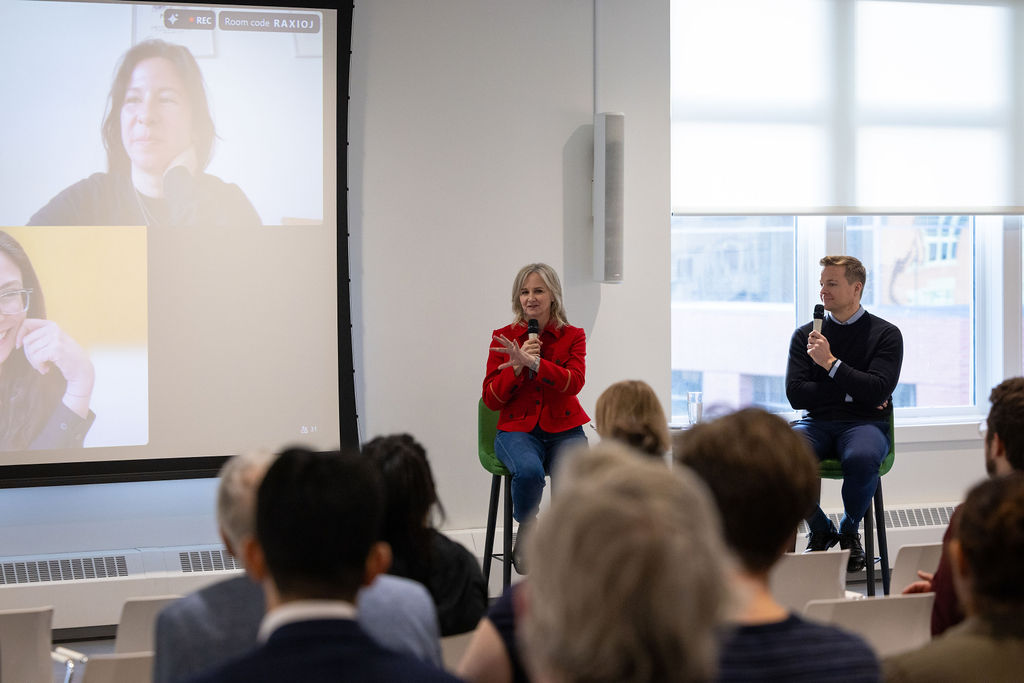
Perspectives from Practice
Hear how leaders in design and real estate are thinking about human experience in the built environment — and why it matters in practice.
Design Perspective
Measuring Human Experience in Design
Susan Carter, DIALOG
Susan reflects on how combining intuition with measurement can bring greater focus, clarity, and evidence to design decisions.
Real Estate Perspetive
Human Experience and Real Estate Value
Russell Whitehead, CBRE
Russell discusses how human experience influences demand, tenant performance, and long-term asset value in development and planning.
Agenda
Morning
- Workshop introduction
- The impact of the built environment in human condition — Why to measure? (Julia del Río)
- Keynote: Title TBC (Robin Mazumder)
- Psychology and neuroscience methods to measure aspects of human experience in architecture (Nour Tawil)
- Q&A
Afternoon
- Keynote: Title TBC (David Kirsh)
- Introduction to Community Wellbeing Framework (Antonio Palacios)
- Experience Economy Design (Susan Carter)
- Q&A
- Workshop briefing: structure, learning objectives, and expected outcomes
- Group allocation and logistical preparation for Day 2 (Projects: Cancer Center / University District)
Morning (Group 1: Project A / Group 2: Project B)
- Computer-based sessions
- Transfer to project sites
- Walkthrough and on-site observation sessions
Afternoon (Group 1: Project B / Group 2: Project A)
- Computer-based sessions
- Transfer to project sites
- Walkthrough and on-site observation sessions
Note: Outputs generated during Day 2 activities may be used for research purposes in a potential study. Their use is voluntary and subject to consent, as outlined in the workshop information
Morning
- Presentation and debrief of Day 2 process and methodological rationale (Nour Tawil and Julia del Río)
- Transfer to project site
- Site visit + Analysis Glenbow (tbd)
Afternoon
- Cocktail Event and Networking
Morning
- Presentation of Day 2 outputs, interpretive overview, and discussion
- Reflections and feedback session / Next steps
- Transfer to project sites
- Calgary Public Library guided tour + Closing Exercise – Space evaluation (either Library or own project)
Note: The workshop’s agenda may be subject to minor adjustments, and a detailed time schedule will be shared closer to the workshop date.
What You’ll Learn
Learn the methods
Use psychological tools, surveys, observations, and implicit assessment methods in architectural and urban contexts.
Apply them in real places
Conduct assessments in healthcare, campus, and public settings, focusing on perception, emotion, behaviour, and wellbeing.
Translate findings into practice
Explore how human-experience data can strengthen POE, design decision-making, research, and policy.
Over four immersive days in Calgary, the Academy of Neuroscience for Architecture (ANFA) and DIALOG offer a rare opportunity to take part in a collaborative, real-world workshop exploring how aspects of human experience can be studied, interpreted, and applied across the built environment.
Engage with current neuroscience and environmental psychology research to better understand how people experience and respond to space – and how these insights can inform design decisions, user experience outcomes, and long-term asset value.
The workshop combines short lectures, learning and thinking sessions…Explore the strengths and limitations of surveys, observations, and implicit psychological tasks.
Bringing together interdisciplinary experts across cognitive science, environmental neuroscience and psychology, and architecture and design, this workshop is designed to equip you with a deeper understanding of this emerging approach and how it can be applied in practice.
Rather than simply learning about research methods, you will engage with them directly in real environments — gaining new ways to understand how people respond to space and how those insights can inform decisions.
Over four immersive days:
- Engage with current research from around the world
- Experience hands-on methods for assessing human response to space
- Learn how these responses can be translated into meaningful, actionable insights
- Participate in a real-world data collection exercises studying occupied environments
This workshop brings together research, design, and real-world environments in a single, hands-on setting, reflecting a broader shift toward integrating scientific insight into how we design, evaluate, and invest in the built environment.
Designed for professionals across design, real estate, research, and public sector fields — no prior experience with research methods is required.
This workshop is supported by scientific guidance from the Center for Environmental Neuroscience (CEN) at the Max Planck Institute for Human Development.
Note: Some workshop exercises involve structured data collection that may contribute to research initiatives and potential publications. Participation in any data collection is entirely voluntary, and choosing not to contribute data does not affect participation in the workshop or any of its components.
By the end of the workshop, participants will:
- Hands-on experience with science-informed tools
- Understand how explicit and implicit assessment methods reveal different dimensions of human experience in real-world case studies
- Introduction to approaches for integrating human experience insights into practice
- New interdisciplinary connections and collaboration opportunities
- Practical insights you can apply to real projects, research, and decision-making
As part of the workshop, you will engage with real, occupied projects in some of Calgary’s most significant built environments:
Arthur J.E. Comprehensive Cancer Centre
A major public healthcare facility where we’ll explore how design shapes patient, staff and clinician experience, gaining insights into how care environments influence wellbeing, stress, and perception.
The University District
A mixed-use urban community adjacent to the University of Calgary where we’ll explore how walkability, density, and public space design shape social interaction and everyday urban experience.
Calgary Central Library
Calgary’s flagship library and cultural hub in the downtown core, where we’ll explore how people move, gather, and engage — experiencing how design supports diverse patterns of public use.
By the end of the workshop, participants will:
- Hands-on experience with science-informed tools
- Understand how explicit and implicit assessment methods reveal different dimensions of human experience in real-world case studies
- Introduction to approaches for integrating human experience insights into practice
- New interdisciplinary connections and collaboration opportunities
- Practical insights you can apply to real projects, research, and decision-making
Who It’s For
Design + built environment
Architects, planners, urban designers, interior designers, design researchers, POE practitioners.
Science + research + institutional leadership
Environmental psychologists, neuroscientists, healthcare/wellbeing professionals, graduate students, researchers, policymakers, and client-side leaders.
What this means in practice for different roles:
For architects, designers, planners
Make stronger design decisions with evidence-informed insights—understanding how spatial variables relate to measurable human responses and how to integrate these into practice.
For developers, asset owners, and property managers
Make more informed investment decisions by understanding how human experience can be measured and linked to user outcomes and long-term value.
For workplace, wellbeing, and experience professionals
Better understand how environments influence behaviour, comfort, and experience—and how these impacts can inform workplace strategy.
For healthcare and institutional leaders
See how environments shape stress, restoration, and perception—gaining insights that can inform patient, staff, and public experience.
For researchers and graduate students
Understand how methods translate to real-world settings, with insight into applied research opportunities and practical constraints.
What Participants Are Saying
Feedback from our recent session on Why Human Experience Metrics Matter
“David Kirsh did a wonderful job myth-busting and reshaping my understanding of how our brains react to spaces.”
“I really enjoyed the insights based on scientific study and experimentation.”
“A group of experts from different disciplines brought a wealth of knowledge and visible passion.”
Pricing
Join a small group of practitioners, researchers, and students for a four-day immersive workshop exploring how psychological testing and human-experience methods can be applied in real architectural environments.
Capacity is limited to maintain a high-quality, small-group experience
Attending with colleagues? Request a registration code to access group pricing. If cost is a barrier, please reach out. We are committed to making this conversation accessible.
Meet your instructors
Led by an interdisciplinary team of instructors, with contributions from leading researchers and guest speakers.
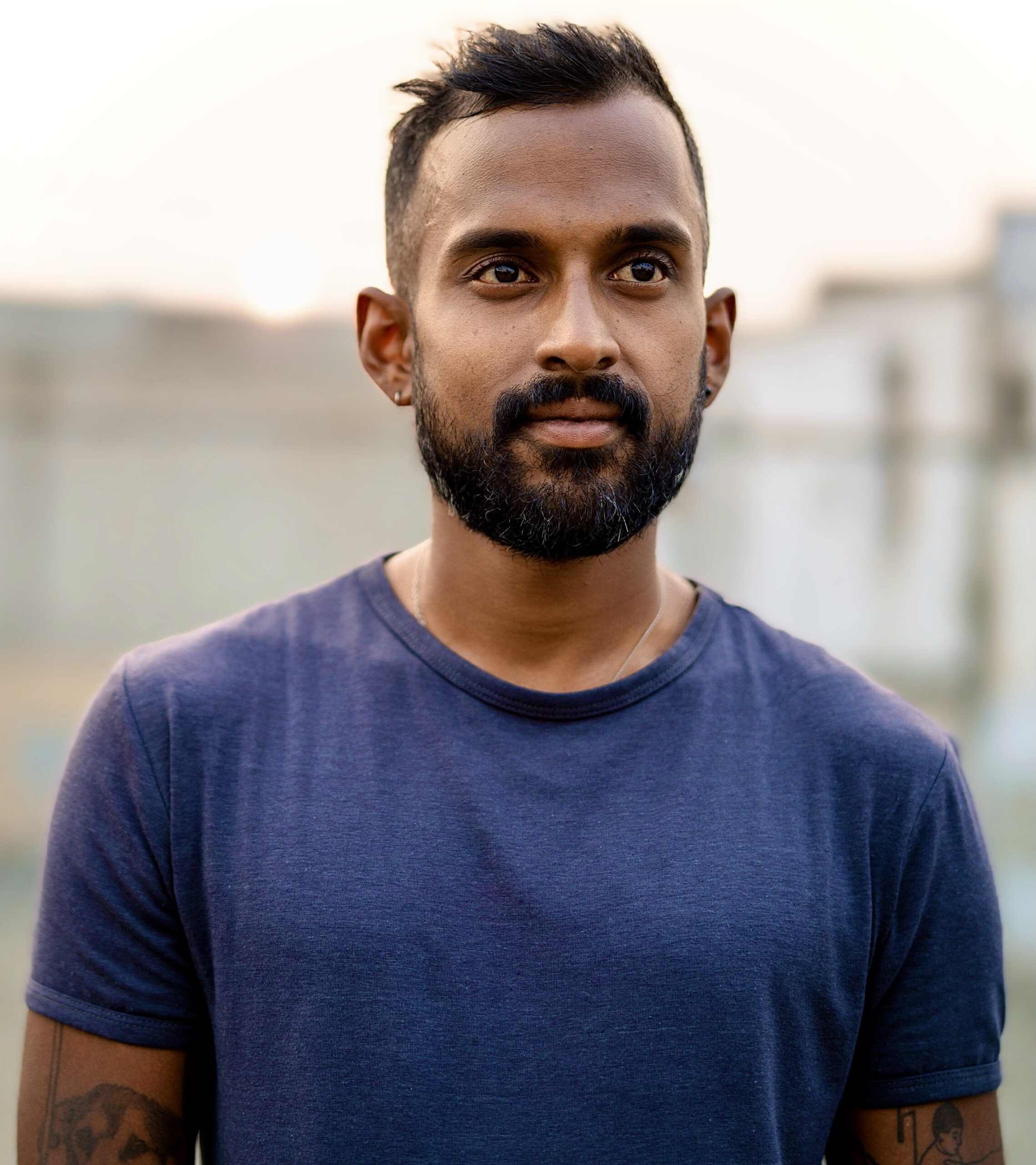
Robin Mazumder
Environmental Neuroscientist / Postdoctoral Fellow, Future Cities Institute, University of Waterloo
Explores how urban design shapes individual and societal wellbeing, combining research, public advocacy, and science communication.
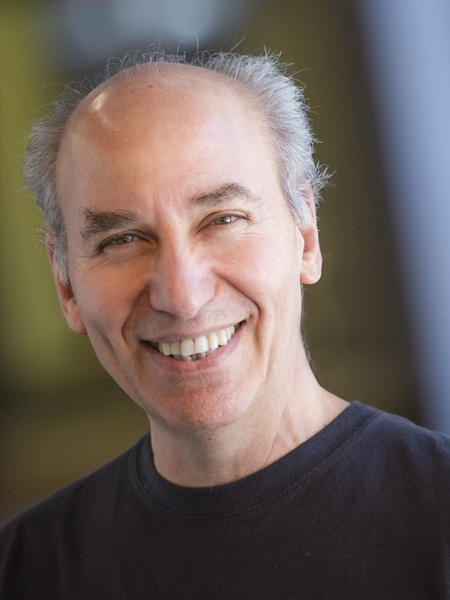
David Kirsh
Cognitive Scientist, University of California San Diego / ANFA
David studies how people think, act, and make decisions in complex environments, and how that understanding can inform design.
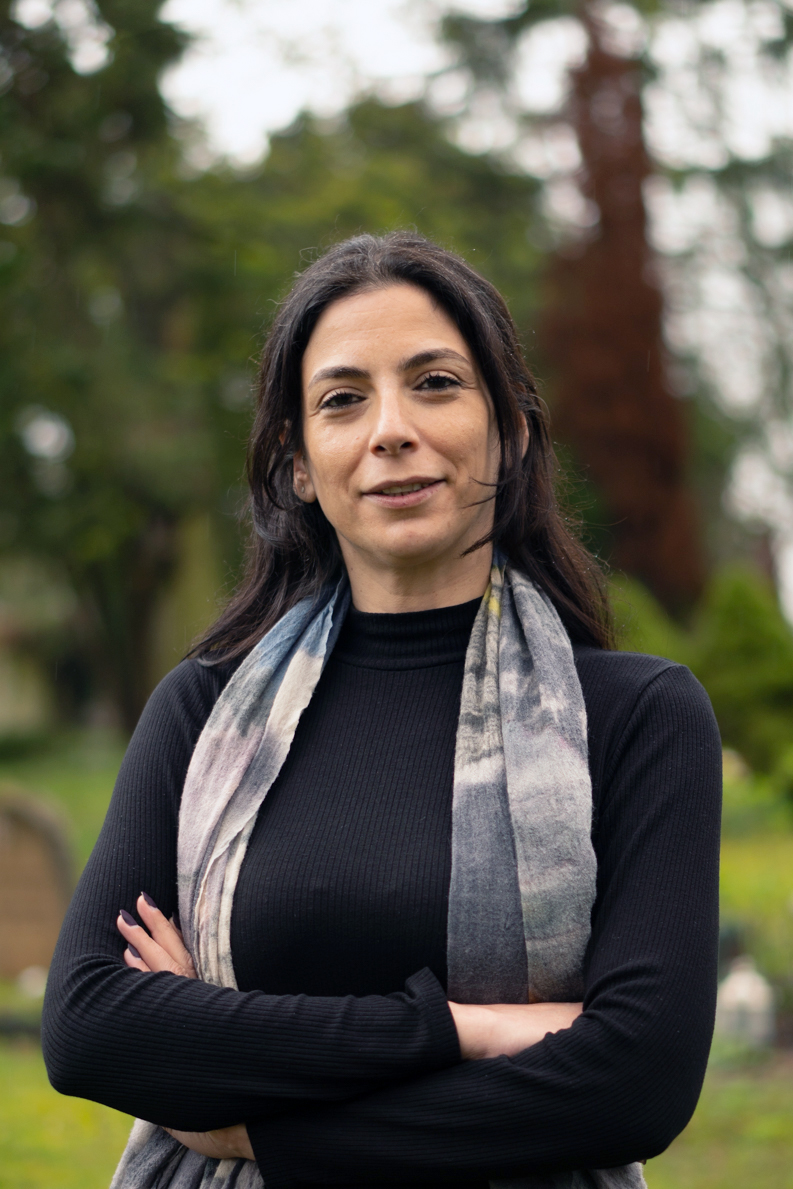
Nour Tawil
Architect / Scientist, Center for Environmental Neuroscience, Max Planck Institute for Human Development
Connects research and methods from environmental psychology and neuroscience to real-world design. Co-leading the ANFA x DIALOG workshop series
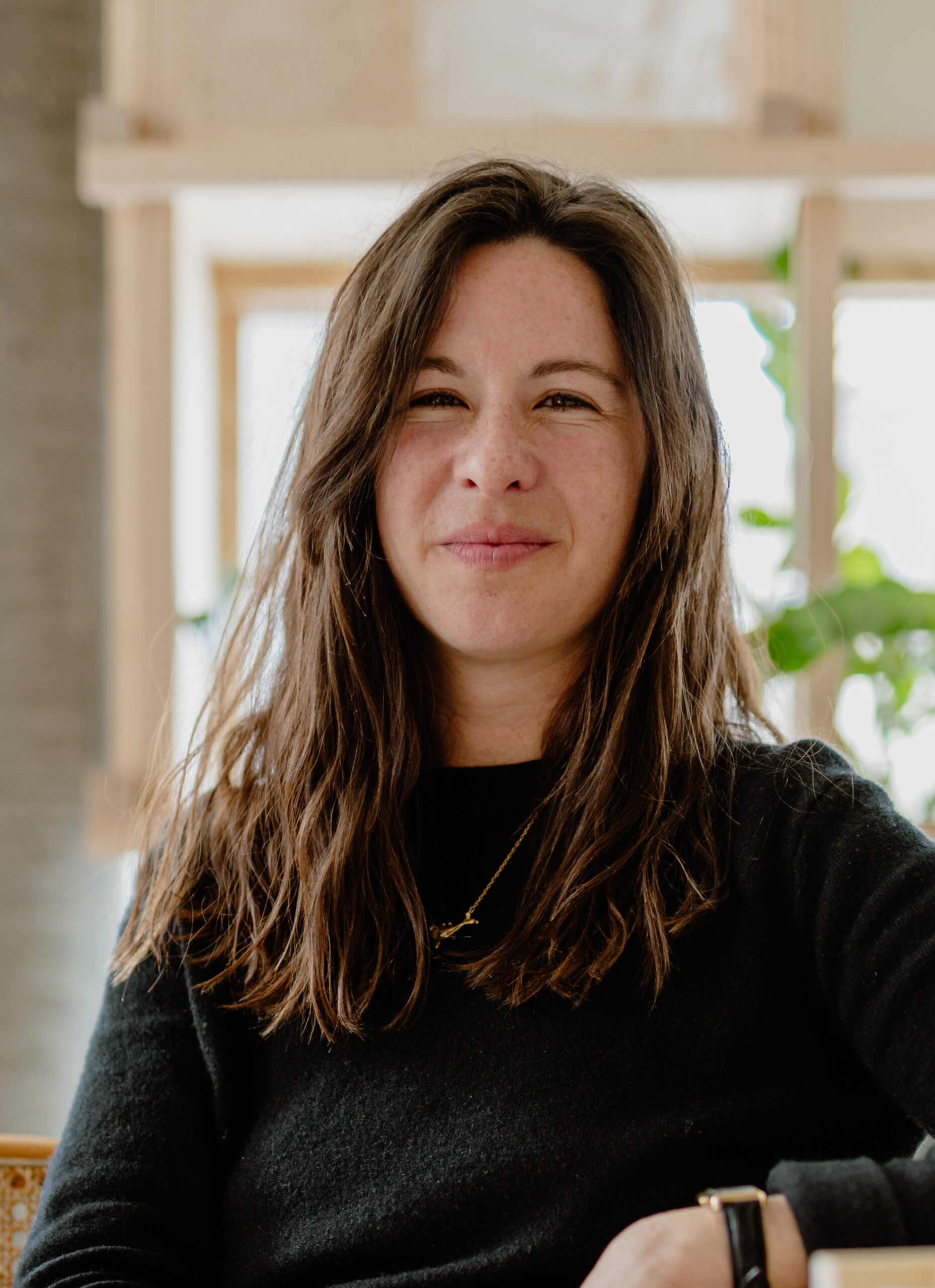
Julia del Río
Architect / PhD candidate / ANFA Advisory Council
Shares how evidence-based insights are being integrated into design practice. Co-leading the ANFA x DIALOG workshop series.

Susan Carter
Designer / Partner at DIALOG, Doctor of Design (Candidate)
Connects science to practice in the design of large-scale mixed-use developments. Co-leading the ANFA x DIALOG workshop series.
Frequently Asked Questions
Professionals shaping and evaluating the built environment, including architects, designers, planners, developers, real estate and workplace professionals, healthcare and public sector leaders, and researchers. Students and early-career professionals are also welcome. No prior experience with research methods is required.
No. The workshop is designed to be accessible while still rigorous, with guidance from experts throughout.
You will gain hands-on experience with psychological research methods and structured wellbeing frameworks in real spaces, experiencing the methods firsthand as participants, not just observing them. The workshop focuses on applying research methods to generate practical insights for design and evaluation.
POE is one component, but the focus is broader. The workshop explores how human experience can be studied using multiple lenses – emotional, behavioural, and perceptual – and how these insights can inform design, research, and decision-making.
You’ll engage with a range of real, occupied environments, including healthcare, urban, and public spaces, allowing you to compare how different settings shape human experience and response.
Yes. You will contribute to and receive:
- A synthesis report
- Frameworks for integrating human-experience metrics into practice
- Workshop materials, tools, and readings
The workshop is limited to approximately 50 participants, working in smaller working groups to ensure depth of engagement.
Yes. Structured and informal networking sessions are integrated throughout the workshop, fostering long-term interdisciplinary connections.
Unlike conferences focused on presentations, this workshop emphasizes hands-on experimentation, collaboration, and application. Participants actively engage with methods, contribute inputs, and explore findings together.
Some workshop exercises involve structured data collection that may contribute to research and potential publications. Participation in related data collection is entirely voluntary and not required to take part in the workshop or any of its components. You may fully participate in all activities without contributing any data.
Implicit methods measure less conscious responses to environments – capturing aspects of human responses that people may find difficult to articulate through explicit methods such as surveys or interviews.

300, 134-11 Ave SE
Calgary, AB T2G 0X5
Canada
Got questions? Feel free to reach out.
Join an interdisciplinary group exploring how human experience can be studied and applied across the built environment.
Our Partners and Advisors


Scientific Input: